
Blog
Middle East: The Kingdom of Saudi Arabia

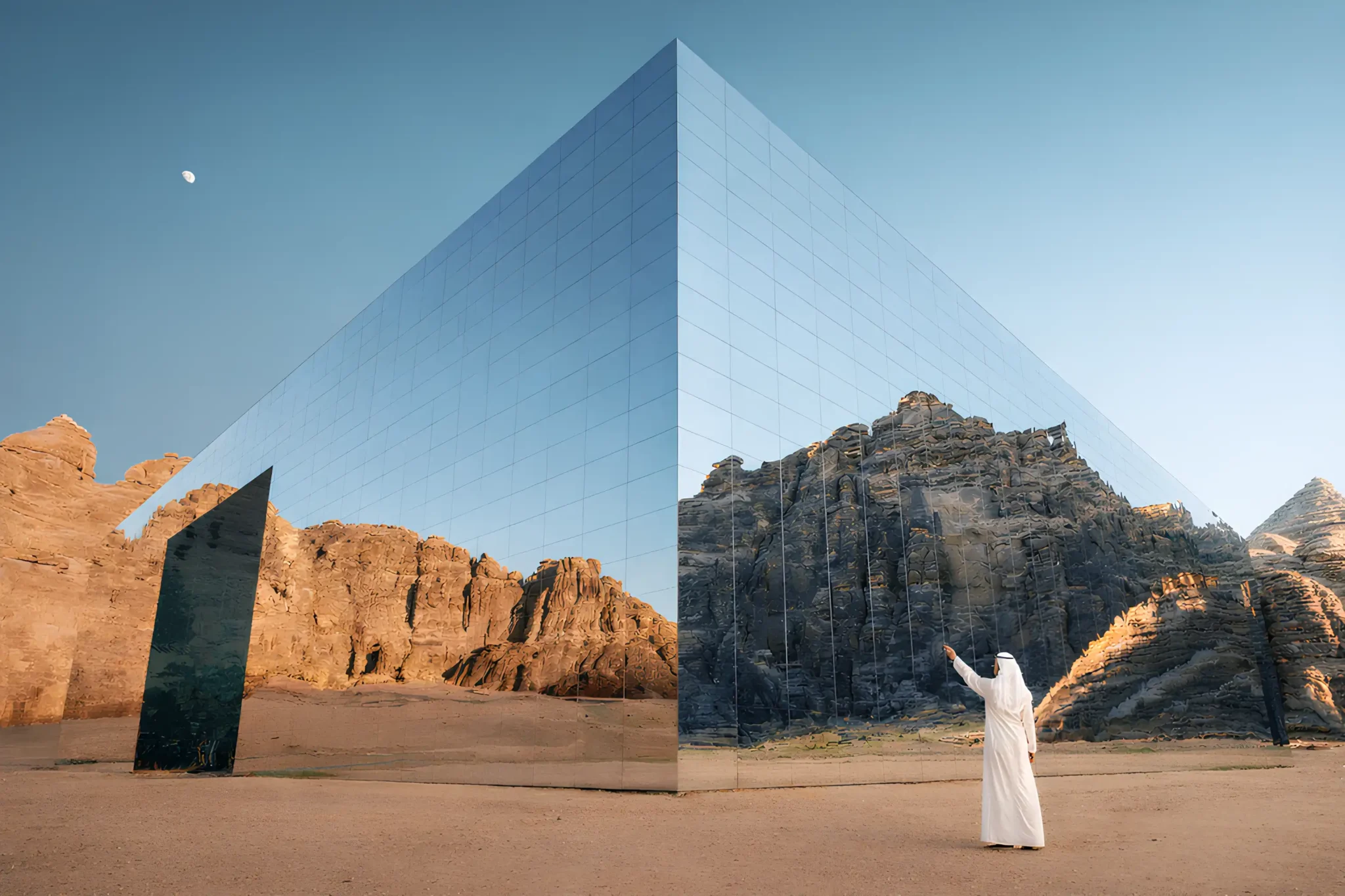
Saudi Arabia unfolds as a country of great contrasts: here, ancient religious centers sit alongside modern megacities, and endless deserts are interspersed with oases and seaside areas. The capital of the country is Riyadh. Traveling across the country allows visitors to see historic cities, the natural landscapes of the Arabian Peninsula, the shores of the Arabian Gulf and the Red Sea, as well as to get closely acquainted with the local culture and modern standards of service.
The territory of the kingdom and natural diversity
The Kingdom of Saudi Arabia occupies a vast area of the Arabian Peninsula, bordered by the Red Sea and the Arabian Gulf, and shares borders with Iraq, Jordan, Oman, Kuwait, Qatar, Yemen, and the UAE.
In the north of the country, along the border with Jordan, stretches the rocky desert of Al-Hamad. The north and central regions are dominated by the largest sand expanses — the Great and Small Nafud (Dahna), known for their reddish sands. The southern and southeastern regions are covered by the Rub’ al Khali, the “Empty Quarter,” where dunes and sand ridges in the north reach heights of up to 200 meters. Despite the harsh conditions, the nature here is strikingly diverse: in spring, wild grasses and apricot trees bloom in the mountains, while date palms and citrus orchards flourish in the oases.
The ancient oasis of Al-Ula
One of the most impressive corners of the country is the ancient city of Al-Ula. It is an open-air museum, where traces of ancient civilizations have been preserved among the sandstone cliffs. Here lies Hegra (Madain Salih) — the first site in Saudi Arabia to be included on the UNESCO World Heritage List.
On the cliffs of Al-Ula, you can see ancient inscriptions and symbols left over two thousand years ago. Each archaeological season unveils new secrets, revealing the lives of the peoples who inhabited these lands long before our era. Today, Al-Ula blends history with modernity: cultural and music festivals are held here, open-air exhibitions take place, and restaurants offer gourmet cuisine with views of the majestic cliffs.
Fans of outdoor activities can go hiking, try rock climbing, or watch the sunrise over the sands under a starry sky — the atmosphere of this place is unforgettable.
Jeddah: a bustling metropolis
Jeddah is a dynamic coastal city where East meets West. Its history began as a port for pilgrims traveling to Mecca, and today it is a cultural capital and the main resort on the Red Sea. The historic district of Jeddah is a UNESCO site, where narrow streets, old houses with wooden balconies, and the scent of spices transport visitors to the past. The city retains the authentic atmosphere of an Arab city full of life and energy.
Modern Jeddah impresses with its art, museums, and gastronomy. The city is known as a hub of international cuisine — from street cafés to fine dining restaurants. At sunset, it is worth heading to the Red Sea coast: the waves turn golden and purple, creating one of the most beautiful sights on the Arabian Peninsula. Diving enthusiasts will find here unique coral reefs and underwater landscapes unlike any other in the region.
Riyadh: the heart and soul of the Kingdom
Riyadh is a city where history and the future coexist in harmony. The capital of Saudi Arabia continues to grow and evolve while maintaining respect for its roots. Among ancient palaces and museums, the history of the nation’s founding comes alive: every building and street recalls the kingdom’s first steps toward modernity.
The city is also famous for its gastronomy. Numerous restaurants serve both international cuisine and traditional Saudi dishes, rich with the aromas of Eastern spices. Every meal here becomes an introduction to the culture and hospitality of the local people.
Shopping
The main form of leisure in Saudi Arabia is shopping. In Riyadh, for example, you can stroll through luxury boutiques with designer goods. In Jeddah, travelers are greeted by traditional local markets offering national costumes, perfumes, and a variety of other products. Bargaining is common here, and you don’t need to know Arabic for it — many people in Saudi Arabia speak English.
Al-Qaisaria Market
A special mention goes to the vast Al-Qaisaria Market, located in the Al-Ahsa Oasis, which is listed as a UNESCO World Heritage site. It is one of the oldest bazaars in the country, with the first mentions dating back to the 15th century. In addition to clothing, Eastern spices, and incense, the stalls offer truly unique antiques, such as vintage gramophones or even 50-year-old bottles of Coca-Cola.
The Dagger Market
Janbiyas and daggers are an important part of the male cultural heritage, especially in the southern regions of the country. Specialized markets feature daggers and swords, as well as handcrafted items — belts, sheaths, and jewelry made of silver and gold, created by skilled artisans.
Al Orjouan Restaurant
Al Orjouan restaurant, with its warm and inviting atmosphere and all-day dining format, has long established itself as a popular spot for both hotel guests and Riyadh residents. Of particular note is the Friday brunch buffet, offering a wide selection of Middle Eastern and international dishes — one of the longest and most extensive in the city.
The Groves
The Groves space is opening for the third time — in a new permanent format. The project combines gastronomy, entertainment, and lifestyle, offering the Village walking area with shops and cafés, Italian cuisine at the Pizzeria, and open spaces for relaxation. The General Access format allows visitors to experience the concept through leisurely strolls, culinary delights, and time spent outdoors.
Twisted Labs
The ultra-modern entertainment center Twisted Labs is located in the Studio Zone of the Boulevard City complex and offers an immersive experience in high-tech gaming with a sense of presence. It features gaming zones with consoles, interactive spaces to test skills, a racing track, an escape room, and an area for watching esports broadcasts. The format is complemented by a branded merchandise shop and a café for relaxation.
Today, Saudi Arabia presents itself as a country in an active phase of transformation. While preserving its religious traditions and historical heritage, the kingdom is simultaneously investing in projects that shape the vision of the future. One of the most talked-about examples is The Line — a linear city in the Tabuk Province, on the Red Sea coast, designed as an alternative to traditional urban living. The project envisions a compact structure without surface roads, pedestrian-friendly spaces, high-speed transportation, and full integration of renewable energy sources. Alongside the ancient cities of Al-Ula, the holy centers of Islam, dynamic megacities, and Red Sea resorts, such initiatives highlight the scale of the ongoing changes. This is a destination for those eager to experience the Middle East in all its diversity — from the past to a future that goes far beyond conventional expectations.